How To Start A Lawn Care Business
A practical step-by-step guide to how to start a lawn care business, including preparation, instructions, common issues, tips, and next steps.
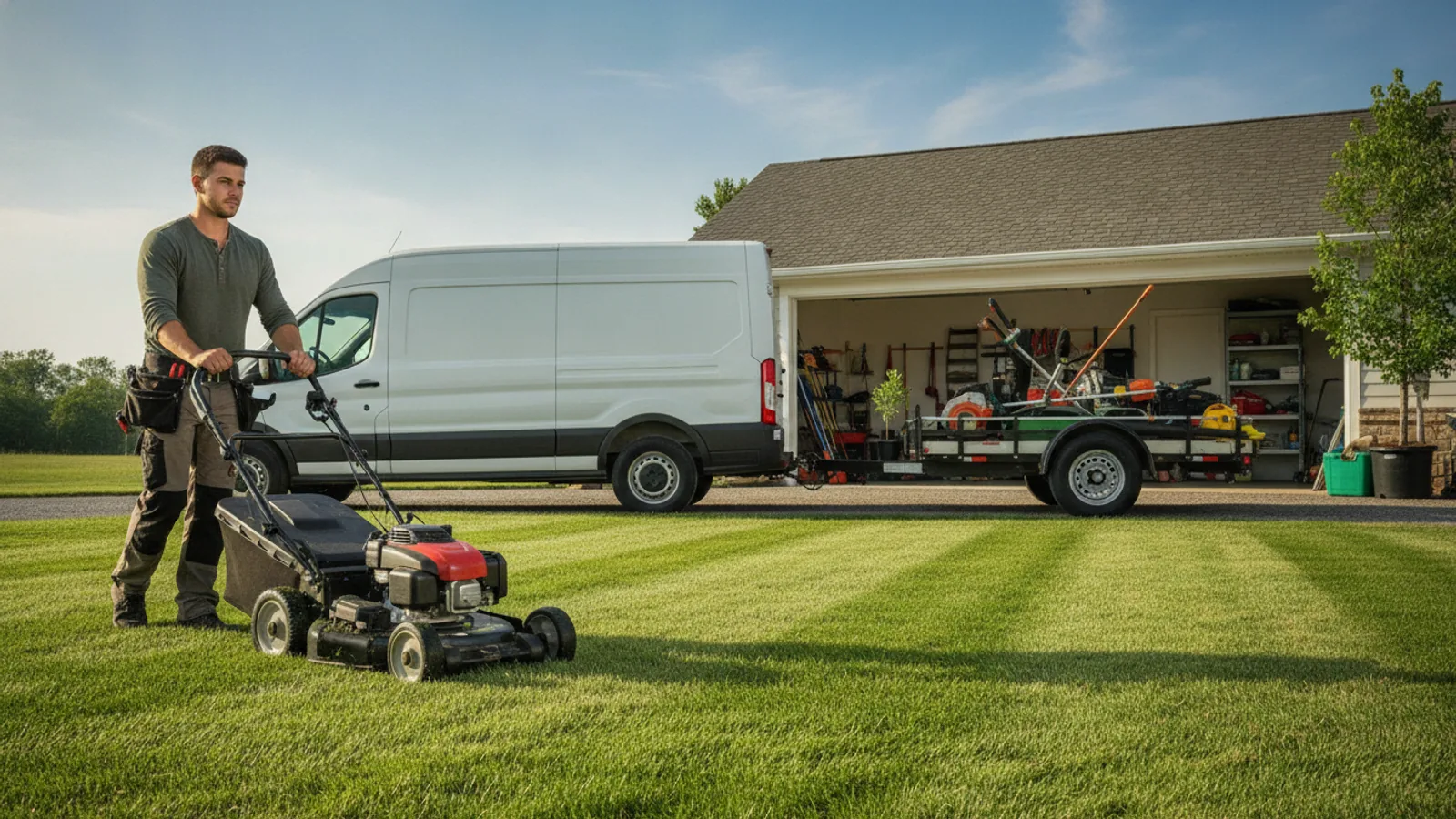
How To Start A Lawn Care Business
This guide provides a complete, step-by-step roadmap for starting your own lawn care business. We'll walk you through everything from the initial planning and legal setup to buying the right equipment and landing your first paying clients. Whether you're looking to start a small side hustle or build a full-time operation, these practical steps will help you launch a successful and profitable business from the ground up.
Fast Answer
- First Step: Create a simple business plan outlining your services, target customers, and pricing.
- Initial Cost: ~$2,000 to $10,000+, depending on new vs. used equipment.
- Key Goal: Secure your first 3-5 recurring clients to establish cash flow.
- Legal Must-Have: General liability insurance to protect you and your assets.
Before You Start
Proper preparation is the key to a smooth launch. Before you mow your first lawn for money, you need to get your strategy, legal framework, and tools in order. This initial work saves you from costly mistakes and headaches down the road.
What You Need
- Basic Business Plan: A simple document outlining your services, ideal customer, and pricing strategy.
- Startup Capital: An estimate of funds needed for equipment, insurance, and initial marketing.
- Essential Equipment: A reliable mower, string trimmer, leaf blower, and safety gear.
- Transportation: A truck or vehicle with a trailer capable of hauling your equipment safely.
- Business Name Idea: A professional and memorable name for your company.
Safety, Timing, and Context Checks
- Market Research: Identify existing lawn care companies in your area. Note the services they offer and, if possible, their pricing. This helps you find your place in the market.
- Physical Fitness: Lawn care is physically demanding work. Be honest about your ability to handle long days of manual labor, often in the heat.
- Seasonal Timing: The best time to launch is in early spring, just before the growing season kicks into high gear. This gives you a full season to build your client list.
How to Start a Lawn Care Business
Step 1: Create Your Business Plan
Your business plan doesn't need to be a 100-page document. A simple one-page plan is enough to start. The goal is to get your ideas on paper and create a guide for your decisions. This makes your business feel real and gives you clear goals.
Include these four sections:
- Services Offered: Start simple. List the core services you will provide, such as lawn mowing, edging, and blowing. You can add more complex services like aeration or fertilization later.
- Target Market: Who are your ideal customers? Are you focusing on residential homes in a specific neighborhood, small commercial properties, or both? Knowing your target helps you focus your marketing efforts.
- Pricing Strategy: How will you charge for your work? Common methods include a flat rate per lawn, an hourly rate, or a price based on lawn size (square footage). Research local rates to ensure your pricing is competitive but profitable.
- Financials: List your expected startup costs (equipment, insurance, licenses). Then, project how many lawns you need to service each month to cover those costs and make a profit.
Step 2: Choose a Business Name and Legal Structure
Your business name should be professional and easy to remember. A name like "Oakwood Lawn Service" or "Smith & Sons Lawn Care" is clear and trustworthy. Once you have a few ideas, check if the name is available by searching your state's business registry and doing a general web search.
Next, you must decide on a legal structure. The two most common options for new service businesses are:
- Sole Proprietorship: This is the simplest and most common structure. You and the business are legally the same entity. It's easy to set up, but it offers no personal liability protection. If the business is sued, your personal assets (like your house or car) could be at risk.
- Limited Liability Company (LLC): An LLC creates a separate legal entity for your business. This provides a crucial layer of protection for your personal assets. It's slightly more complex and expensive to set up and maintain, but the liability protection is a major advantage.
Step 3: Register Your Business and Get an EIN
Once you've chosen your name and structure, you need to make it official. This involves registering your business with your state, usually through the Secretary of State's website. If you're an LLC, this is when you'll file your articles of organization. If you're a sole proprietor operating under a business name (a "Doing Business As" or DBA), you may need to register that name with your state or county.
After registering, you should get an Employer Identification Number (EIN) from the IRS. It’s like a Social Security number for your business. Getting an EIN is free and can be done online in minutes. Even if you don't plan to have employees, most banks require an EIN to open a business bank account.
Step 4: Open a Business Bank Account
This is a critical step that many new business owners skip. Always keep your business finances separate from your personal finances. Open a dedicated business checking account using your registered business name and EIN. Run all your business income and expenses through this account.
Separating your finances makes bookkeeping and tax preparation much simpler. More importantly, if you have an LLC, mixing personal and business funds can "pierce the corporate veil," which could remove the personal liability protection that the LLC provides.
Step 5: Secure Licenses, Permits, and Insurance
Operating legally and safely is non-negotiable. First, obtain a general business license from your city or county. This is usually a straightforward process.
The most important purchase you will make is general liability insurance. This protects you if you accidentally damage a client's property (e.g., a mower throws a rock through a window) or if someone is injured. A typical policy for a new lawn care business might cost between $400 and $700 per year. Do not service a single property until you have an active insurance policy.
Additionally, some states require special licenses for applying pesticides or fertilizers. If you plan to offer these services, check with your state's Department of Agriculture for specific licensing requirements.
Step 6: Purchase Your Core Equipment
Your equipment is how you make money, so invest in reliable tools. You don't need the most expensive gear right away, but avoid cheap, residential-grade equipment that won't stand up to daily commercial use.
Here is your essential starting lineup:
- Commercial Mower: A commercial walk-behind or stand-on mower is a much better investment than a residential ride-on mower. They are built for durability and speed.
- String Trimmer: A gas-powered, straight-shaft trimmer is the industry standard for its power and reach.
- Edger: A stick edger provides a much cleaner, more professional edge along sidewalks and driveways than using a trimmer turned sideways.
- Backpack Blower: A powerful backpack blower is essential for cleaning up grass clippings, leaves, and debris quickly and efficiently.
- Safety Gear: Always use eye protection, hearing protection (earplugs or earmuffs), and sturdy work boots. Work gloves are also highly recommended.
Step 7: Market Your Business and Get Clients
With your business set up and equipment ready, it's time to find customers. Focus your efforts on your target market and local area. Spreading the word doesn't have to be expensive.
Try these proven, low-cost marketing strategies:
- Door Hangers and Flyers: This is a classic for a reason. Design a simple, professional flyer with your business name, phone number, and a list of your core services. Distribute them in the specific neighborhoods you want to work in.
- Google Business Profile: Set up a free Google Business Profile. This puts your business on Google Maps and in local search results. Add photos of your work and encourage your first customers to leave reviews.
- Local Online Groups: Post a friendly introduction in local Facebook groups or on Nextdoor. Many people look for service recommendations in these communities. Be sure to follow group rules about advertising.
- Word-of-Mouth: Do an amazing job for your first clients. A happy customer is your best marketing tool. Ask them to tell their neighbors about your service. Consider offering a small discount on their next service for successful referrals.
Quick Reference: Pricing and Quoting
| Situation | Use This Method | Why |
|---|---|---|
| Quoting a small, standard subdivision lawn | Flat Rate per Visit | It's simple for the customer to understand and very profitable if you are efficient with your time. |
| A large, overgrown, or complex property with many obstacles | Hourly Rate | This protects you from losing money on a job that takes much longer than you anticipated. Be transparent about your rate upfront. |
| A customer asks about weed control or fertilizer | Check State Licensing First | Applying chemicals often requires a specific license and additional insurance. It's a great way to add revenue, but you must do it legally. |
| A customer wants a one-time mow | Charge a Higher Rate | One-time jobs disrupt your regular schedule. Charge 1.5x to 2x your normal rate to make it worthwhile and to encourage them to sign up for recurring service. |
Common Problems When You Start a Lawn Care Business
Problem: Underpricing Your Services
Many new owners are afraid to charge what they're worth. They set prices too low to attract clients, but quickly find they can't cover costs for fuel, insurance, and equipment maintenance, let alone pay themselves a fair wage. This is the fastest path to burnout and business failure.
Solution: Before setting prices, calculate your hourly operating cost. Add up all your monthly business expenses (insurance, fuel, phone bill, equipment payments) and divide by the number of hours you plan to work. Add your desired hourly wage to this number. This total is the minimum you must earn per hour to be profitable. Price your jobs to exceed this rate.
Problem: Inefficient Scheduling and Routing
When you're starting out, you take any job you can get. This often leads to driving all over town, wasting hours of time and gallons of fuel. Time spent driving is time you're not earning money.
Solution: As you get more clients, group them by neighborhood. Try to schedule all your clients in one area for the same day. This is called "route density." Use a tool like Google Maps to plan the most efficient route between jobs each day. As you grow, focus your marketing efforts on streets and neighborhoods where you already have customers.
Problem: Equipment Breakdowns
A broken mower can shut down your entire operation for a day or more, costing you hundreds of dollars in lost revenue. Waiting for repairs can also damage your reputation with clients.
Solution: Create and follow a strict equipment maintenance schedule. Clean your equipment daily. Change oil, sharpen blades, and check tire pressure weekly. Proactive maintenance is far cheaper than reactive repairs. As you become more established, aim to have a backup mower, even if it's a smaller, less expensive model.
Advanced Tips for a Lawn Care Business
- Offer High-Margin Upsells: Once you have a base of mowing clients, introduce higher-profit services. Things like lawn aeration, overseeding, mulching, and seasonal cleanups often have much better profit margins than basic mowing.
- Create a Professional Brand Image: Invest in professional-looking business cards and door hangers. Get a simple, clean logo designed. Wear a company t-shirt when you work. These small touches build trust and help you charge premium prices.
- Systemize Your Client Communication: Use templates for quotes, invoices, and service reminders. Consider using a simple Customer Relationship Management (CRM) or scheduling software to keep track of client details and appointments. This makes you look organized and ensures nothing falls through the cracks.
- Build a Strong Online Presence: Beyond a Google Business Profile, create a simple one-page website showcasing your services, service area, and contact information. Regularly post before-and-after photos of your best work on your Google profile or a business Facebook page.
How To Start A Lawn Care Business FAQ
How much money do you really need to start a lawn care business?
You can start on a shoestring budget of around $2,000 to $3,000 if you buy reliable used equipment and already have a truck. A more comfortable budget with new, quality commercial equipment and all legal/insurance fees would be closer to $8,000 to $12,000.
Do I absolutely need an LLC?
While not legally required in most places (you can operate as a sole proprietor), forming an LLC is highly recommended. The primary benefit is that it separates your business liabilities from your personal assets, protecting your home and savings if your business were ever sued.
What is the most profitable lawn care service?
While mowing provides steady, recurring revenue, services like fertilization and weed control, aeration, and landscape installations typically have the highest profit margins. However, these often require more specialized knowledge, equipment, and licensing.
Can I run a lawn care business part-time?
Absolutely. Many successful lawn care businesses start as a part-time side hustle on evenings and weekends. It's a great way to build up a client base and cash flow before leaving a full-time job.
Final Checklist for Starting a Lawn Care Business
- Create a one-page business plan outlining services and pricing.
- Choose a business name and register your legal structure (LLC recommended).
- Apply for a free EIN from the IRS website.
- Open a separate business bank account.
- Obtain quotes and purchase general liability insurance.
- Check and secure any required local business licenses or permits.
- Purchase essential commercial-grade equipment and safety gear.
- Design and print basic marketing materials like flyers or door hangers.
- Set up your free Google Business Profile.
- Start marketing in your target neighborhoods and land your first paying client.