How To Start A Landscaping Business
A practical step-by-step guide to how to start a landscaping business, including preparation, instructions, common issues, tips, and next steps.
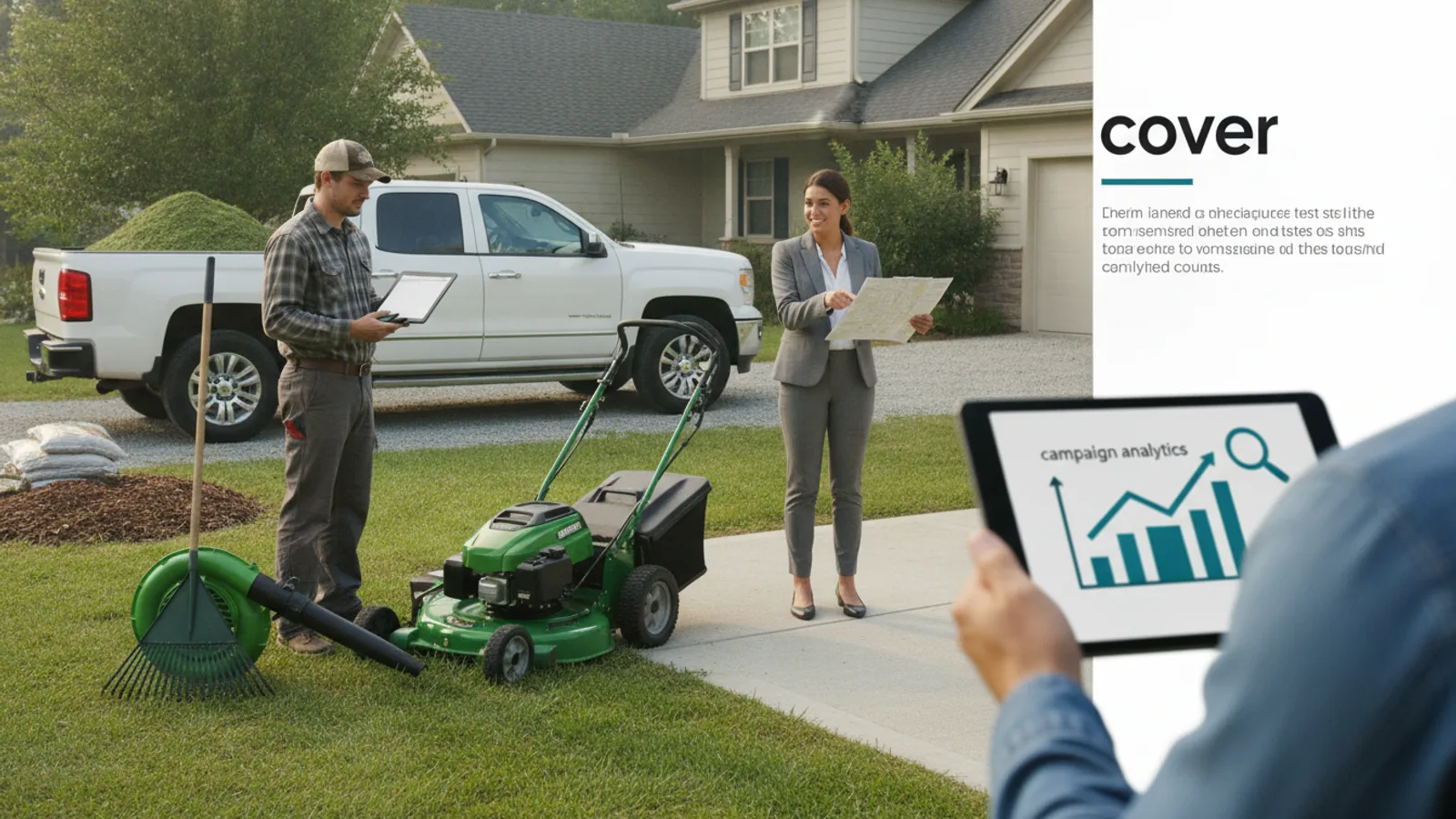
How To Start A Landscaping Business
This guide provides a complete, step-by-step plan for starting a landscaping business from the ground up. Whether you want to start a small side hustle mowing lawns or build a full-service design and installation company, these instructions cover the essential steps. We'll walk through creating a business plan, handling legal requirements, buying equipment, and finding your first customers, helping you turn your passion for the outdoors into a profitable venture.
Fast Answer
- First Step: Define your services and write a simple business plan.
- Initial Cost: $2,000 - $10,000, depending on equipment needs.
- Key to Success: Setting correct prices and providing reliable service.
Before You Start
Before you buy any equipment or print a single flyer, it's crucial to lay the proper groundwork. A successful business starts with careful planning and an understanding of the requirements. Taking the time to prepare now will save you from major headaches and financial trouble later.
What You Need
- A Business Plan: A document outlining your services, target market, pricing, and financial goals. It doesn't need to be 100 pages; a simple plan is a great start.
- Startup Capital: Funds to cover initial equipment purchases, insurance, and business registration fees. This could be personal savings or a small business loan.
- Basic Landscaping Knowledge: You should be comfortable with plant care, lawn maintenance, and safe operation of landscaping equipment.
- Reliable Transportation: A truck or a vehicle with a trailer is essential for transporting equipment and materials.
- Essential Equipment: At a minimum, a commercial-grade lawn mower, string trimmer, leaf blower, and basic hand tools (rakes, shovels, pruners).
Safety, Timing, or Context Checks
- Research Local Demand: Are there many competitors in your area? Are there new housing developments or neighborhoods that need landscaping services?
- Understand Seasonality: Landscaping is highly seasonal in most parts of the US. Plan your finances to handle slower winter months. Consider offering services like snow removal or holiday light installation.
- Check Your Physical Fitness: Landscaping is physically demanding work. Be realistic about your ability to handle long hours of manual labor in various weather conditions.
Step-by-Step Instructions
Follow these steps in order to build your landscaping business on a solid foundation. Each step is designed to help you make smart decisions and avoid common pitfalls that new entrepreneurs face.
Create Your Business Plan
Your business plan is your roadmap. It forces you to think through every aspect of your business before you launch. Start by defining exactly what services you will offer. Will you focus on basic lawn maintenance (mowing, trimming, cleanup) or more complex projects like garden design, hardscaping (patios, walkways), or irrigation systems? It's often best to start with a few core services you can perform well and expand later.
Next, identify your ideal customer. Are you targeting residential homeowners, commercial properties like office parks, or property management companies? Knowing your target market helps you focus your marketing efforts. Finally, create a simple financial plan. Estimate your startup costs (equipment, insurance, fees) and your monthly operating expenses (fuel, supplies, marketing). This will help you determine how much you need to earn to be profitable.
Handle the Legal and Financial Setup
To operate legally and protect your personal assets, you need to establish a formal business structure. The most common options for small businesses are:
- Sole Proprietorship: The simplest structure. You and the business are legally the same entity. It's easy to set up but offers no personal liability protection.
- Limited Liability Company (LLC): This is a popular choice because it separates your personal assets from your business debts. If the business is sued, your personal savings and home are generally protected.
Once you've chosen a structure, you need to register your business name with your state. If you operate under a name different from your own (e.g., "Green Valley Landscaping" instead of "John Smith"), you'll likely need to file for a "Doing Business As" (DBA) name. After registering, apply for an Employer Identification Number (EIN) from the IRS website—it's free and acts like a Social Security number for your business. Use your EIN to open a dedicated business bank account. Mixing personal and business finances is a common mistake that creates accounting nightmares.
Secure Licenses, Permits, and Insurance
Every business needs the right paperwork to operate. Start by researching the general business license requirements for your city and state. Beyond that, the landscaping industry sometimes requires special permits. For example, if you plan to apply pesticides or fertilizers, you will likely need a specific state-issued applicator's license, which often requires passing an exam.
Insurance is non-negotiable. At a minimum, you must have General Liability Insurance. This protects you if you accidentally damage a client's property (e.g., a mower flings a rock through a window) or if someone is injured. You should also have Commercial Auto Insurance for your work vehicle. If you plan to hire employees, even part-time, you will be legally required to have Workers' Compensation Insurance.
Buy Your Essential Equipment
Your equipment is what allows you to do the work, so it's important to invest wisely. Avoid the temptation to buy the cheapest residential gear, as it won't hold up to daily commercial use. However, you don't need to buy everything brand new. Look for well-maintained, used commercial equipment to save on startup costs.
Your starter equipment list should include:
- A reliable commercial-grade lawn mower (push or zero-turn, depending on the properties you'll service).
- A gas-powered string trimmer and edger.
- A powerful backpack leaf blower.
- Basic hand tools: heavy-duty rakes, shovels, hedge shears, and pruners.
- Safety gear: work gloves, safety glasses, hearing protection, and steel-toed boots.
As your business grows and you take on more specialized jobs, you can invest in more equipment like aerators, chainsaws, or tillers.
Set Your Prices and Create Service Contracts
Pricing your services correctly is one of the biggest challenges for a new landscaping business. If you charge too little, you won't make a profit. If you charge too much, you won't get any customers. To find the right balance, you must calculate all your costs. This includes your hourly labor rate, equipment wear and tear, fuel, insurance, and a profit margin (typically 15-25%).
You can price jobs per hour or with a flat rate per project. For recurring maintenance like lawn mowing, a fixed monthly fee is common. Whatever model you choose, always provide clients with a written estimate or service agreement. This document should clearly state the scope of work, the price, the payment schedule, and what is not included. A clear contract prevents misunderstandings and ensures you get paid for your work.
Market Your Business and Find Customers
With everything set up, it's time to find paying clients. Start with the people you know. Let friends, family, and neighbors know you've started a landscaping business. Word-of-mouth is powerful and often leads to your first few jobs.
Next, focus on local marketing. Design and print professional-looking business cards and door hangers. Distribute them in neighborhoods you want to work in. A simple, clean truck with your business name and phone number on the side is a great mobile advertisement. Create a basic online presence with a Facebook business page where you can post photos of your work. Join local community groups online and offer your services when appropriate. The key is to be professional, responsive, and reliable. A happy customer is your best marketing tool.
Quick Reference
| Situation | Use this | Why |
|---|---|---|
| Quoting a new lawn mowing job | Measure the property and note any obstacles (hills, flower beds, etc.). | Ensures an accurate price based on the actual time and effort required. |
| A client asks for a service you don't offer | Politely decline but refer them to another trusted local business. | Builds professional networks and goodwill with the client. |
| The weather forecast shows a full week of rain | Proactively communicate with clients to reschedule their service days. | Shows professionalism and manages client expectations. |
| You finish a job and the client is thrilled | Ask them for an online review or if you can use them as a reference. | Positive reviews are social proof that helps you win new customers. |
Common Problems When You Start a Landscaping Business
Even with a great plan, you may encounter a few bumps in the road. Here are some common problems and how to handle them.
- Underpricing Services: Many new owners forget to factor in "hidden" costs like insurance, marketing, equipment maintenance, and their own salary. Solution: Create a detailed pricing spreadsheet that accounts for every business expense, not just fuel and time. Re-evaluate your prices annually.
- Managing Cash Flow: Landscaping can be a "feast or famine" business due to seasonality. A rainy spring or slow winter can strain your finances. Solution: Build a cash reserve during your busy months to cover expenses during slow periods. Offer year-round services like leaf removal, snow plowing, or gutter cleaning to generate consistent income.
- Client Miscommunication: Disputes often arise from a misunderstanding of the work to be done. Solution: Always use a written service agreement or contract that details the exact scope of work. Get the client's signature before you begin.
- Scaling Too Quickly: It can be tempting to buy a bigger truck or hire an employee after a few good weeks. Growing too fast can sink a business if the workload isn't consistent. Solution: Wait until you have a steady, predictable workload and signed contracts before making major investments in equipment or staff.
Advanced Tips for a Landscaping Business
Once you've established your business and have a steady stream of clients, consider these strategies to increase profitability and stand out from the competition.
- Specialize in a Niche: Instead of being a jack-of-all-trades, become the local expert in a specific area. This could be drought-tolerant landscape design (xeriscaping), organic lawn care, installing water features, or creating native plant gardens. Specialists can often command higher prices.
- Focus on Recurring Revenue: While large installation projects are great, they are one-time jobs. The most stable landscaping businesses are built on recurring revenue from maintenance contracts. Focus on signing clients for weekly mowing, monthly garden care, or seasonal fertilization programs.
- Invest in Business Software: As you get busier, managing scheduling, invoicing, and customer communication can become overwhelming. Landscaping business management software can automate these tasks, making you more efficient and professional.
- Upsell and Cross-Sell to Existing Clients: Your current customers already trust you. Look for opportunities to offer them additional services. If you mow their lawn, offer them aeration and overseeding in the fall or a mulch installation in the spring.
How To Start A Landscaping Business FAQ
How much money do I need to start a landscaping business?
Do I need a special license to be a landscaper?
Can I start a landscaping business with no experience?
What is the difference between landscaping and lawn care?
Final Checklist for Starting a Landscaping Business
Use this checklist to ensure you've covered all the essential bases before you officially open for business. Taking these steps will set you up for long-term success.
- Business plan is written, defining services and target market.
- Business structure (LLC or Sole Proprietorship) has been chosen and registered.
- Employer Identification Number (EIN) has been obtained from the IRS.
- A separate business bank account is open and funded.
- General Liability and Commercial Auto insurance policies are active.
- All necessary state and local business licenses have been secured.
- Essential equipment and safety gear have been purchased.
- A clear pricing structure has been calculated.
- Professional business cards or flyers have been printed.
- A simple online presence (e.g., Facebook page) has been created.