How To Start A Construction Business
A practical step-by-step guide to how to start a construction business, including preparation, instructions, common issues, tips, and next steps.
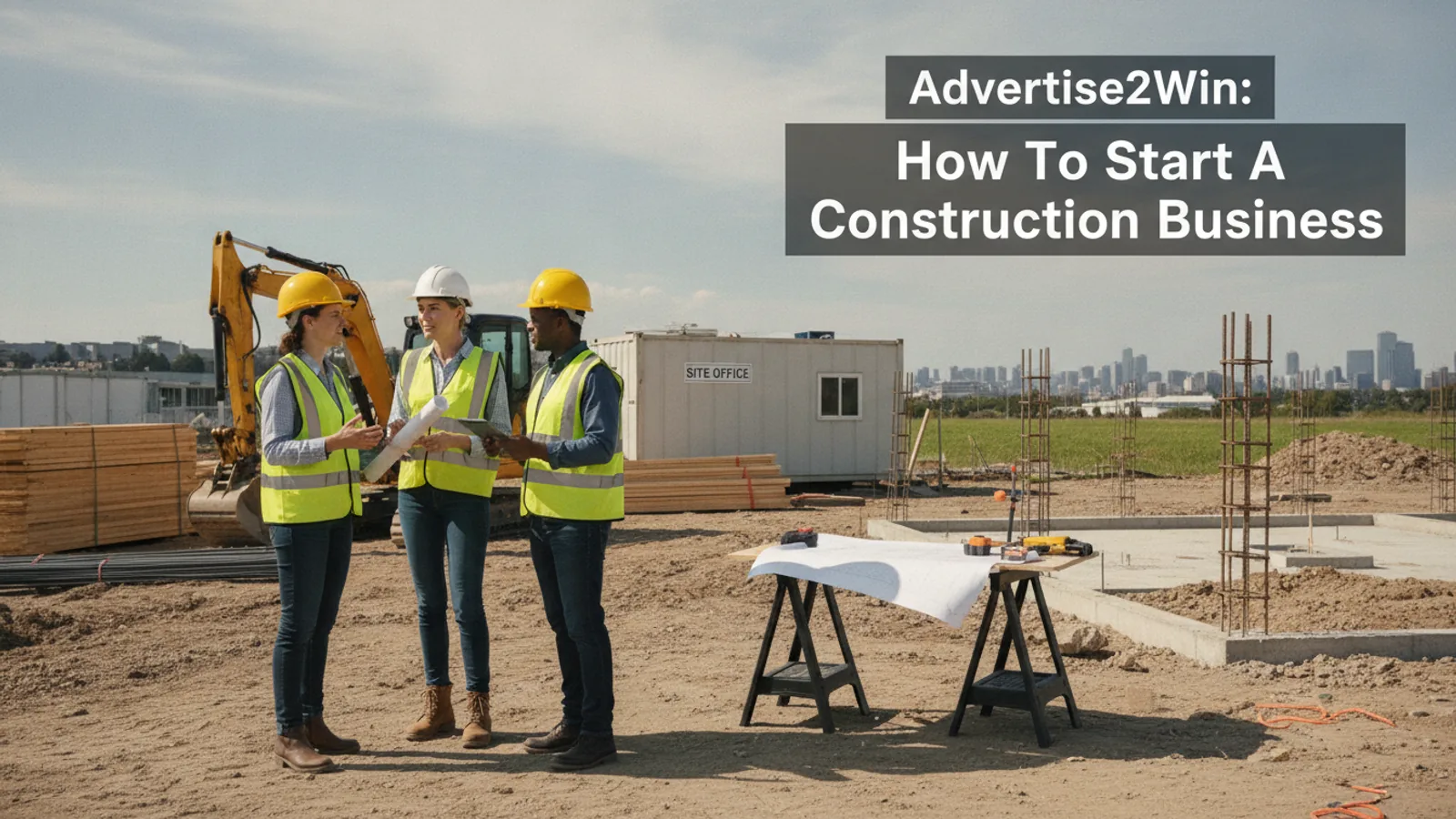
How To Start A Construction Business
Starting a construction business is a major step that can turn your trade skills into a profitable company. This guide provides a clear roadmap, from creating a solid business plan to landing your first project. We'll walk you through the essential legal, financial, and operational steps to build a successful construction business from the ground up. This advice is for anyone ready to move from employee to owner, whether you're a skilled tradesperson or have a background in construction management.
Fast Answer
- Business Plan: Create a detailed plan outlining your services, market, and finances.
- Legal Structure: Form an LLC or S-Corp to protect your personal assets.
- Licensing: Obtain all required state and local contractor licenses before starting work.
- Insurance: Secure general liability and workers' compensation insurance.
- Funding: Calculate your startup costs and arrange for financing.
Before You Start
- A written business plan outlining your goals and strategies.
- Sufficient startup capital from savings or a pre-approved loan.
- A list of required licenses and permits for your specific state and city.
- Quotes for essential business insurance policies.
- Hands-on experience in a specific construction trade or management.
- A strong understanding of your local construction market and potential competitors.
Step-by-Step Instructions
Create a Detailed Business Plan
Your business plan is the blueprint for your company's success. It forces you to think through every aspect of the business, from the services you'll offer to how you'll make a profit. This document is essential if you plan to seek funding from a bank or investors. A strong plan shows that you have a clear vision and have considered potential challenges.
Your plan should include several key sections: an executive summary (a brief overview of the whole plan), a company description (your mission and what makes you different), a market analysis (who your customers are and who your competitors are), a list of services you'll provide, a marketing and sales strategy, and detailed financial projections (startup costs, expected revenue, and cash flow).
Choose Your Business's Legal Structure
How you structure your business legally has major implications for taxes and, most importantly, liability. In construction, where accidents and property damage are real risks, protecting your personal assets is crucial. While a sole proprietorship is the simplest to set up, it offers no separation between your business and personal finances. This means if your business is sued, your personal savings, home, and car could be at risk.
Most construction businesses are formed as a Limited Liability Company (LLC) or an S-Corporation. Both structures create a separate legal entity, shielding your personal assets from business debts and lawsuits. The best choice depends on your specific financial situation and long-term goals. It's highly recommended to consult with a lawyer or an accountant to decide which structure is right for you.
Register Your Business and Get Tax IDs
Once you've chosen a legal structure, you need to make it official. This involves registering your business name with your state's Secretary of State office. If you're operating under a name different from your own (a "doing business as" or DBA name), you'll likely need to register that as well.
Next, you'll need an Employer Identification Number (EIN) from the IRS. This is like a Social Security number for your business. It's required if you plan to hire employees, operate as a corporation or partnership, or file certain tax returns. You can apply for an EIN for free on the IRS website. You'll also need to register with your state's tax agency for income tax, and if applicable, sales tax on materials.
Secure All Necessary Licenses and Permits
The construction industry is heavily regulated to protect public safety. Licensing requirements vary significantly by state, county, and even city. Some states have a single contractor license, while others require separate licenses for different specialties like plumbing, electrical work, or HVAC. Being a "general contractor" who oversees entire projects often has the most stringent requirements, sometimes including exams and proof of financial stability.
Beyond your main contractor's license, you'll also need to pull specific building permits for almost every project you undertake. These permits are issued by your local building department and ensure the work complies with local building codes. Failing to get the right license or permit can lead to work stoppages and hefty fines.
Obtain the Right Business Insurance
Insurance is not optional; it's an essential cost of doing business in construction. It protects your company, your clients, and your employees from the financial fallout of accidents, injuries, and mistakes. Most states legally require you to have certain policies, and clients will not hire you without proof of insurance.
The two most critical policies are:
- General Liability Insurance: This covers bodily injury or property damage that your business causes to third parties. For example, if a ladder falls and damages a client's car, this policy would cover the repairs.
- Workers' Compensation Insurance: If you have employees, this is legally required in almost every state. It covers medical bills and lost wages for employees who get injured on the job.
You should also consider Commercial Auto Insurance for your work vehicles and Builder's Risk Insurance, which protects a structure while it's under construction.
Calculate Startup Costs and Secure Funding
Underestimating startup costs is a common reason new construction businesses fail. You need a realistic budget that covers all your initial expenses before you start earning revenue. Be thorough and list everything you'll need to get started.
Common startup costs include:
- Tools and Equipment: Hand tools, power tools, and larger machinery like excavators or scaffolding.
- Vehicles: Work trucks or vans.
- Business Registration and Licensing Fees.
- Insurance Premiums: You'll often need to pay a significant portion upfront.
- Marketing: Website development, business cards, and local advertising.
- Operating Capital: Money to cover payroll, materials, and other expenses for the first few months.
Once you have a number, you can look at funding options. These include personal savings, loans from family, business credit cards, equipment financing, or a small business loan from a bank or the SBA.
Set Up Your Business Finances
From day one, keep your business finances completely separate from your personal finances. Open a dedicated business checking account and run all company income and expenses through it. This makes bookkeeping much easier, simplifies tax filing, and reinforces the legal separation provided by your LLC or corporation.
You should also choose an accounting software to manage your books. Programs like QuickBooks Online or Xero are popular in the construction industry because they can handle invoicing, expense tracking, payroll, and "job costing"—a feature that lets you track the profitability of each individual project. Staying on top of your numbers is critical for managing cash flow and making smart business decisions.
Develop a Marketing and Sales Strategy
You can be the best builder in town, but if no one knows you exist, you won't have any work. Your marketing strategy doesn't need to be complicated, but it does need to be consistent. Start by identifying your ideal customer. Are you targeting homeowners for remodeling projects, or are you focused on commercial contracts?
Effective marketing tactics for a new construction business include:
- A Professional Website: Create a clean, simple website that showcases your services, features a gallery of your past work (even projects you completed as an employee), and provides clear contact information.
- Local Networking: Join your local chamber of commerce or builder's association. Build relationships with architects, designers, and real estate agents who can refer clients to you.
- Job Site Marketing: A professional sign on your job site is a powerful, low-cost advertisement.
- Online Directories: Get your business listed on Google Business Profile, Yelp, and industry-specific sites like Houzz or Angi.
Quick Reference
| Situation | Use this | Why |
|---|---|---|
| A client asks for a change mid-project. | A formal, written change order. | It documents the new scope, cost, and schedule, preventing disputes about payment later. |
| You need a specialized skill for one job. | A licensed and insured subcontractor. | It provides expertise without the cost and commitment of hiring a full-time employee. |
| You need to estimate a new project's cost. | Cost-estimating software or a detailed spreadsheet. | It ensures you account for all material, labor, and overhead costs, leading to more accurate and profitable bids. |
| Cash is tight between project payments. | A business line of credit. | It provides a flexible source of short-term capital to cover payroll and materials while you wait for invoices to be paid. |
Common Problems When You Start a Construction Business
Starting any business has its challenges, but construction comes with a unique set. Being aware of these common pitfalls can help you prepare for and avoid them.
Poor Cash Flow Management
This is one of the biggest reasons construction companies fail. You often have to spend a lot of money on materials and labor upfront, but you may not get paid by the client for 30, 60, or even 90 days. To manage this, require a deposit before work begins, use progress billing to invoice at key project milestones, and have a business line of credit ready to cover gaps.
Inaccurate Bidding and Estimating
If you bid too low on a project, you could lose money. If you bid too high, you won't get the job. Accurate estimating is a skill that takes practice. Meticulously track your costs on every job to refine your future bids. Always include a contingency (typically 10-15%) in your estimates to cover unexpected problems.
Finding and Retaining Skilled Labor
There is a shortage of skilled tradespeople in many areas. Finding reliable, talented workers is a major challenge. To combat this, you need to be a great employer. Offer competitive wages and benefits, create a safe and respectful work environment, and invest in training to help your employees grow their skills.
Scope Creep
Scope creep happens when a client continually adds small requests or changes to a project that weren't in the original contract. Individually, they may seem minor, but they can add up to significant time and cost overruns. The solution is a rock-solid contract and a formal change order process. Any change, no matter how small, should be documented in writing with an agreed-upon cost before the work is done.
Advanced Tips for How To Start A Construction Business
Once you've mastered the basics, these strategies can help you grow your business and increase your profitability.
Specialize in a Niche Market
Instead of trying to be everything to everyone, consider becoming the go-to expert in a specific area. This could be anything from sustainable green building and energy-efficient retrofits to historic home restorations or commercial tenant improvements. Specializing can reduce your competition and often allows you to charge a premium for your expertise.
Invest in Technology
Modern construction management is powered by technology. Software platforms like Procore, Buildertrend, or CoConstruct can help you manage project schedules, communicate with clients and subcontractors, handle billing, and store documents all in one place. While there's an upfront cost, the efficiency gains and reduction in errors can provide a huge return on investment.
Build Strong Supplier Relationships
Don't just shop for the lowest price on materials. Build relationships with a few key suppliers. A good relationship can lead to better pricing, priority service, and flexible payment terms, which can be a lifesaver when cash flow is tight.
Create a Strong Safety Culture
Go beyond just meeting the minimum OSHA requirements. A proactive safety culture that prioritizes the well-being of your team is a business asset. It reduces the risk of costly accidents, lowers your workers' compensation insurance premiums, improves employee morale, and makes your company a more attractive place to work.
How To Start A Construction Business FAQ
How much money do I need to start a construction business?
Can I start a construction business with no experience?
What is the most profitable construction niche?
Do I need a college degree?
Final Checklist for How To Start A Construction Business
- Business Plan: A detailed, written plan is complete.
- Legal Structure: You have officially formed an LLC or S-Corporation.
- Tax IDs: You have an EIN from the IRS and are registered with your state tax agency.
- Licensing: You have obtained all required state and local contractor licenses.
- Insurance: You have active policies for general liability and workers' compensation.
- Bank Account: A separate business bank account is open and funded.
- Funding: You have secured enough capital to cover your startup costs and initial operations.
- Accounting: An accounting system is in place to track income and expenses.
- Marketing: You have a basic website and a plan to get your first clients.
- Contracts: You have a standard, attorney-reviewed contract ready for your clients.